Home › Articles

What Is an Independent Real Estate Appraiser? A Baltimore-Area Guide
What independent means, how it differs from a lender's appraisal, what it costs in Baltimore, the 45-day Maryland tax appeal deadline, and when to hire one.
How Do Home Appraisals Work in a Maryland Divorce? Equitable Distribution, Buyouts and Avoiding Court Battles
How a Maryland divorce appraisal sets the buyout price, which date applies, how marital and non-marital equity are separated, and the refinance trap to avoid.

How Does the CHAP Tax Credit Affect Neighborhood Home Values?
What the 2020 PlaceEconomics study found about CHAP restorations and nearby values, the 500-foot data, and what the numbers cannot prove.

What Happens When the 10-Year CHAP Tax Credit Expires?
What happens to your City tax bill and escrow when the 10-year CHAP credit ends, and how to appeal the assessment.

Which Baltimore Neighborhoods Qualify for the CHAP Tax Credit?
Which properties qualify for CHAP, how local and National Register districts differ, and how to check an address on CityView.

Can You Combine Baltimore CHAP Tax Credits With Maryland and Federal Historic Tax Credits?
CHAP and the Maryland homeowner credit can be used on one project. The federal credit cannot be used on an owner-occupied home. How the three compare.

What Steps Are Required to Apply for the Baltimore CHAP Tax Credit?
The CHAP application in order, from eligibility to final certification, and the five mistakes that cost owners their credit.

What Is the Formula for the Baltimore CHAP Tax Credit?
The CHAP credit formula with a worked $200,000 example: yearly savings, the monthly escrow effect, and what can make your result smaller.

Does the Baltimore CHAP Tax Credit Transfer to a New Buyer?
The credit follows the house, not the owner. What a buyer inherits, what a seller should hand over, and what can end the credit after a sale.
How Is the Appraisal Calculated for the Baltimore CHAP Tax Credit?
How the two CHAP appraisals set your credit: what each must show, the 90-day clocks, and why the post-renovation value is not a projection.

What Renovations and Construction Costs Qualify for the CHAP Tax Credit?
Which costs count toward the 25% rule, which ones do not, and how the appraisals and the December 31, 2027 application deadline fit in.

How Does Baltimore Ground Rent Impact Home Appraisals and Market Value?
How ground rent works, how the redemption price is figured at 6%, and how appraisers account for it in Baltimore.

The 7 Property Maintenance Red Flags That Delay FHA and Conventional Appraisals
The seven safety and condition problems that stall FHA and conventional appraisals, and the typical fix for each.
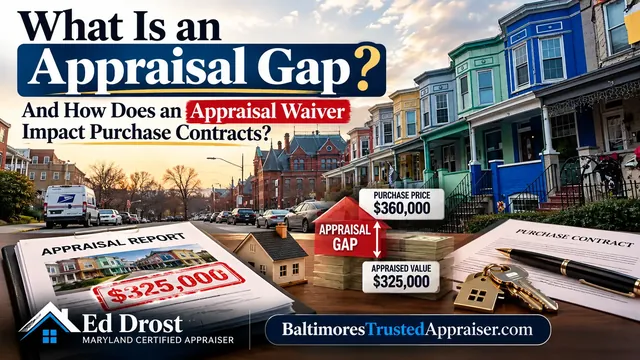
What Is an Appraisal Gap and How Does an Appraisal Waiver Impact Purchase Contracts?
What happens when the appraisal is below the price? A worked example of the gap, gap clauses, and the two kinds of appraisal waivers.

Who Legally Owns the Appraisal Report: The Homebuyer or the Mortgage Lender?
Who owns the appraisal you paid for? The lender is the client, and you have a legal right to a copy. What that means in practice.
What Is a Reconsideration of Value (ROV) and How Do You Overturn a Low Appraisal?
How to challenge a low home appraisal: what evidence works, what does not, and your options if the value stays the same.

Date-of-Death Appraisals for Reverse Mortgage Homes
How the IRS stepped-up basis protects heirs who sell an inherited reverse mortgage home, and why a CMA is not enough.
Do Heirs Need Probate to Sell a Reverse Mortgage Home in Maryland?
When Maryland heirs need probate, how it fits the servicer's deadlines, and the title and HOA traps to avoid if you walk away.
How to Dispute a Reverse Mortgage Appraisal (ROV Checklist)
A step-by-step checklist for heirs: what to request, what counts as proof, and how to ask the servicer to reconsider the value.

How the HUD 95% Rule Works on a Reverse Mortgage
Heirs can pay the lesser of the loan balance or 95% of appraised value. Worked examples, and why a $10,000 appraisal difference moves your price $9,500.

What Happens to a Reverse Mortgage When the Borrower Dies? A Guide for Heirs
The loan comes due, but heirs will not owe more than the home is worth. The 95% rule, the deadlines and the four choices, explained by an FHA appraiser.

Appraisal vs. CMA: Can You Use a Real Estate Agent's Market Analysis for Probate?
What a CMA is, how it differs from a certified appraisal, and why heirs and executors usually need the appraisal for estate and tax purposes.

Can You Get a Retrospective Home Appraisal Years After an Owner Passed Away?
Yes. How a certified appraiser values an inherited home as of a past date of death, what records help, and what limits the work.

How Does the IRS Stepped-Up Basis Work for Inherited Real Estate?
How the IRS resets an inherited home's cost basis to its date-of-death value, with a worked example, what doesn't qualify, and why heirs need an appraisal.

What Is a Date of Death Appraisal in Maryland and Why Is It Required?
A certified retrospective valuation as of the day the owner passed. Why heirs and executors need one, with a worked stepped-up basis example.